
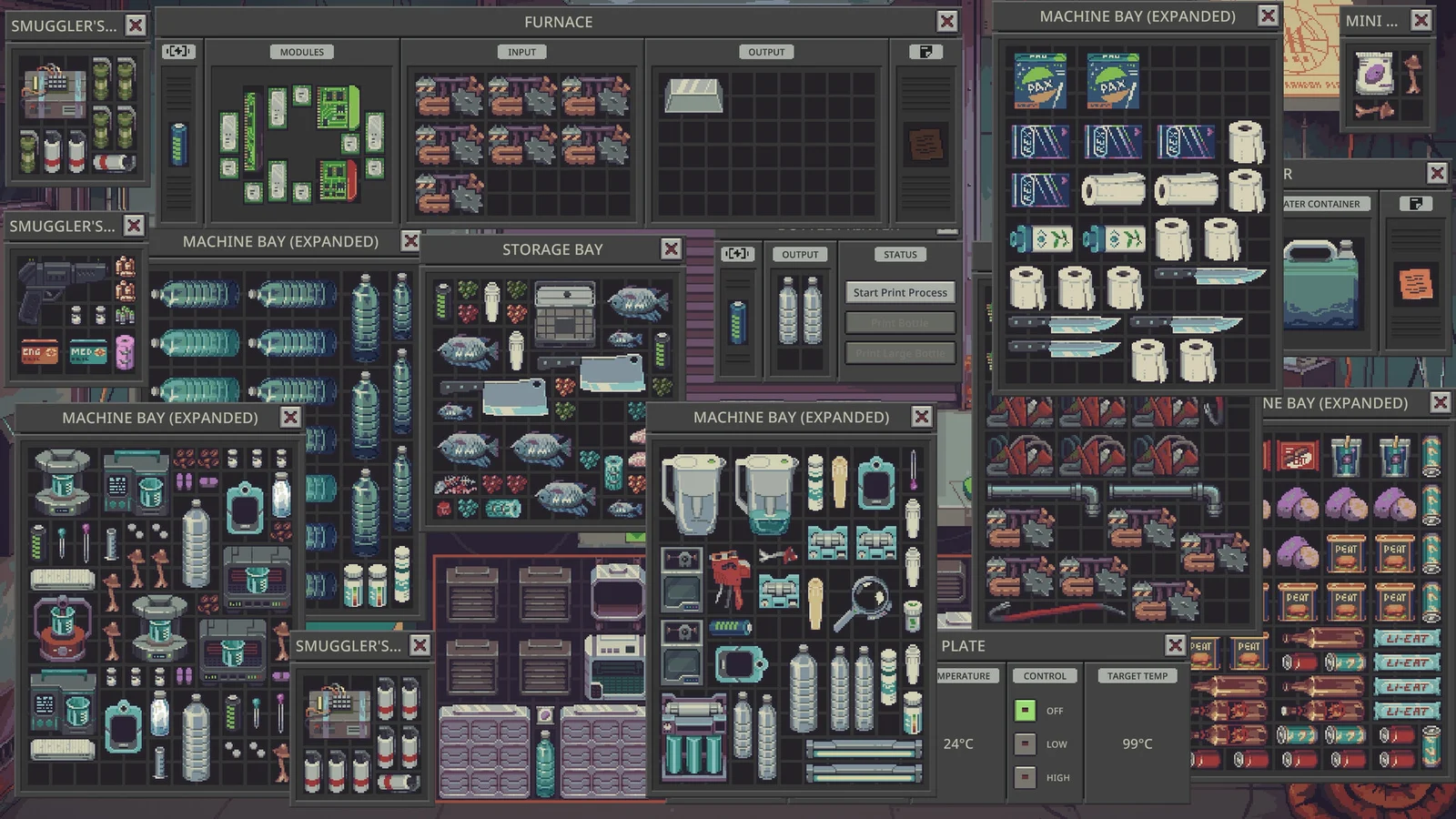
Your Probably Stolen starting point
Read your next rent bill, reserve that amount and buy stock only from the cash left over. If the reserve is already short, focus on turning existing goods into cash. Treat future sales as a forecast until the customer has actually paid.
01 / Rent & money guide
How Probably Stolen rent changes your decisions
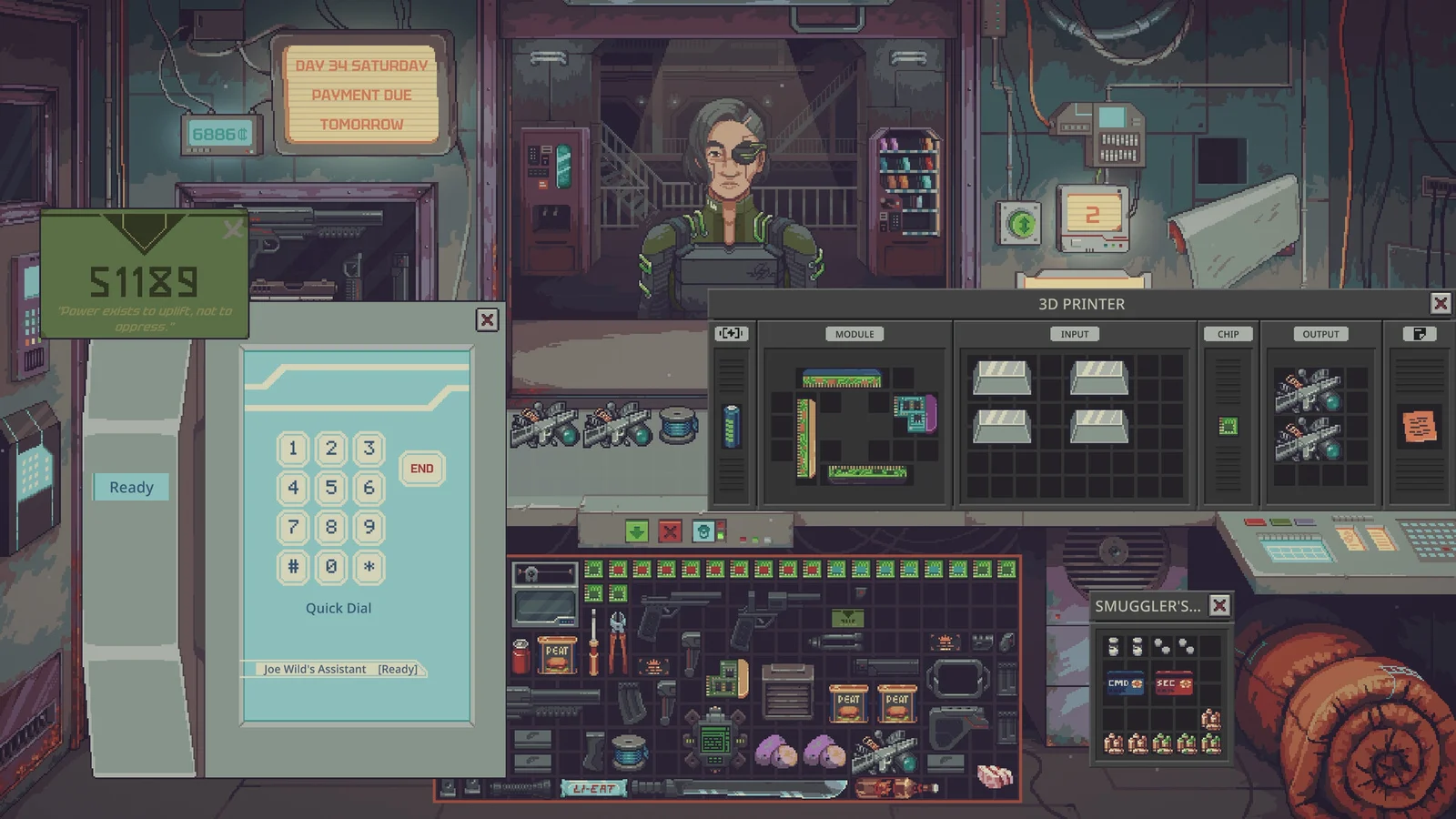
Probably Stolen rent comes around weekly and rises as the run continues. The useful number is the next payment shown in your shop. Check it again after each payment rather than planning around the amount you remember from the start.
Separate money for that bill from the cash available for purchases. If you have more cash than the next rent, the difference is your starting stock budget. You may want to keep an additional cushion for supplies or a bad deal. If you have less, your first target is closing the shortfall.
This changes what counts as a good Probably Stolen trade. An item can offer a promising margin and still leave you unable to pay on time. Think about when the money comes back as well as how much you might earn.
Reserve = the next rent payment. Spendable cash = cash on hand minus that reserve, with any extra cushion kept separately.
02 / Rent & money guide
Can your Probably Stolen shop afford this purchase?
Enter the figures from your Probably Stolen run. The planner checks the reserve immediately after a purchase, then shows a separate forecast if your expected sales happen before the bill is due. Include supplies in planned spending. Use zero expected sales when you want to see whether the purchase works without relying on another customer.
Probably Stolen / Rent planner
Check the deal before you buy.
Use one currency for all four fields. Add any extra safety cushion to the rent reserve you enter.
Enter your cash, next rent and planned spending to check the reserve.
03 / Rent & money guide
Find where your Probably Stolen cash went
If you are working the counter all day and still struggling, look for the point where cash stops coming back. Buying too much, misjudging condition and adding equipment too early can all leave you busy without making the next bill easier.
| What you notice | What to check | Try this next |
|---|---|---|
| Storage is full, cash is low | Money tied up in unsold stock | Pause restocking and sell through familiar goods |
| Deals finish but the wallet barely grows | Purchase cost plus processing and supplies | Reduce your offer or skip low-margin trades |
| Water stock causes trouble | Quality before and after processing | Test, filter as needed and check the result before resale |
| Inspections wipe out a good day | Questionable stock and permit requirements | Reduce exposure while rebuilding the cash reserve |
| A new machine leaves you short | Equipment plus the materials to operate it | Delay the next upgrade until the existing route pays for itself |
04 / Rent & money guide
Keep Probably Stolen production from trapping your cash
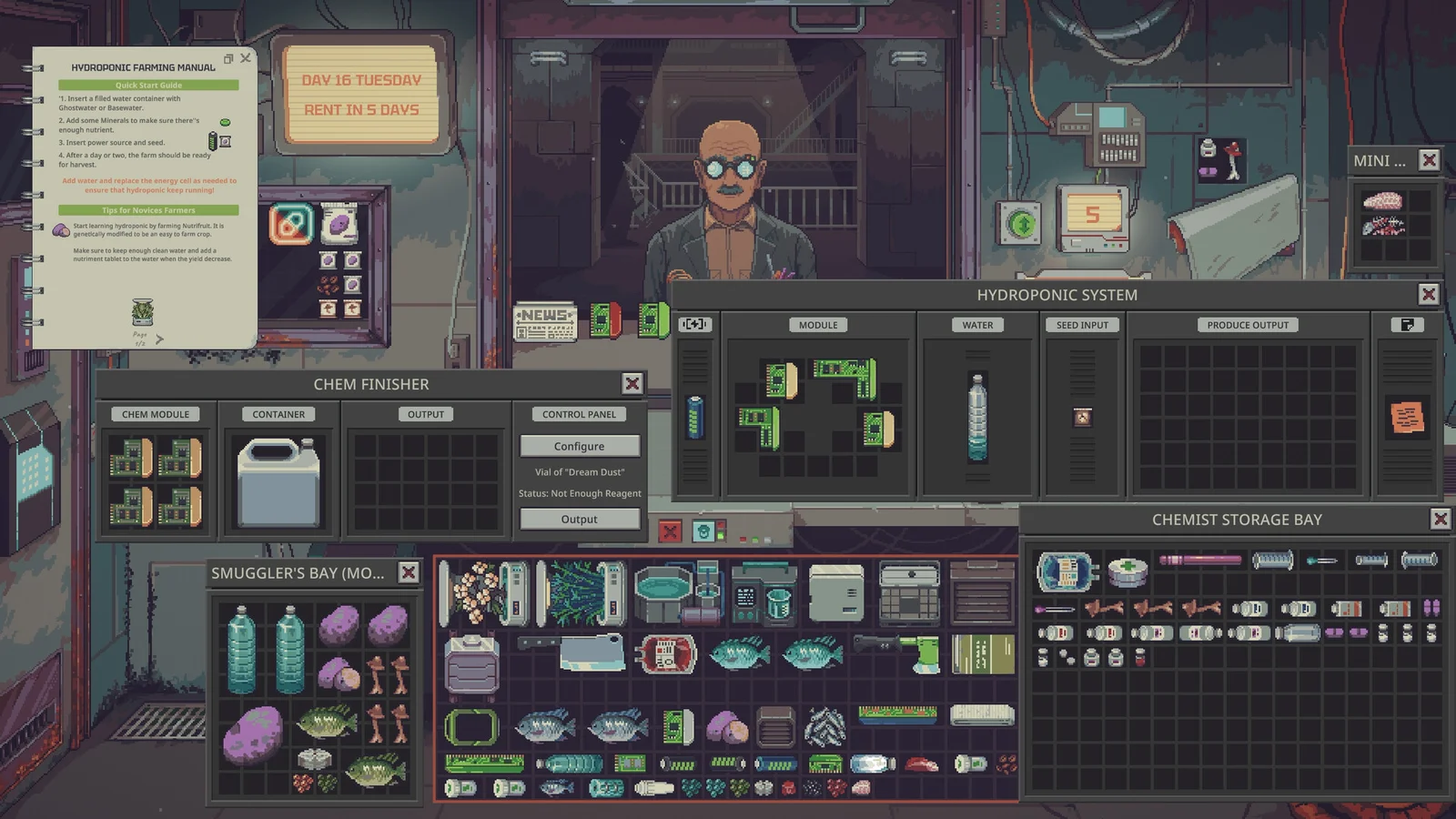
Probably Stolen production connects several budgets. Water, growing supplies, ingredients and equipment all cost money before the finished product sells. Trace those inputs through the route you are building. Reusing an ingredient you produce can help, but using your own stock still has a cost: you give up the cash you could have earned by selling it.
For Probably Stolen winemaking, inspect the BloomBerries and follow the fermentation guide before loading a batch. Check the required water and ingredients, wait for processing to finish and read the resulting quality. Compare the finished product with what you spent before expanding the next batch.
Finished wine in Probably Stolen can gain value as it ages, but waiting keeps money on the shelf. Keep a faster-selling line for near-term bills and use spare cash for stock you intend to hold. Check the current value and a buyer's actual offer instead of assuming a fixed daily return or waiting indefinitely for the perfect sale.
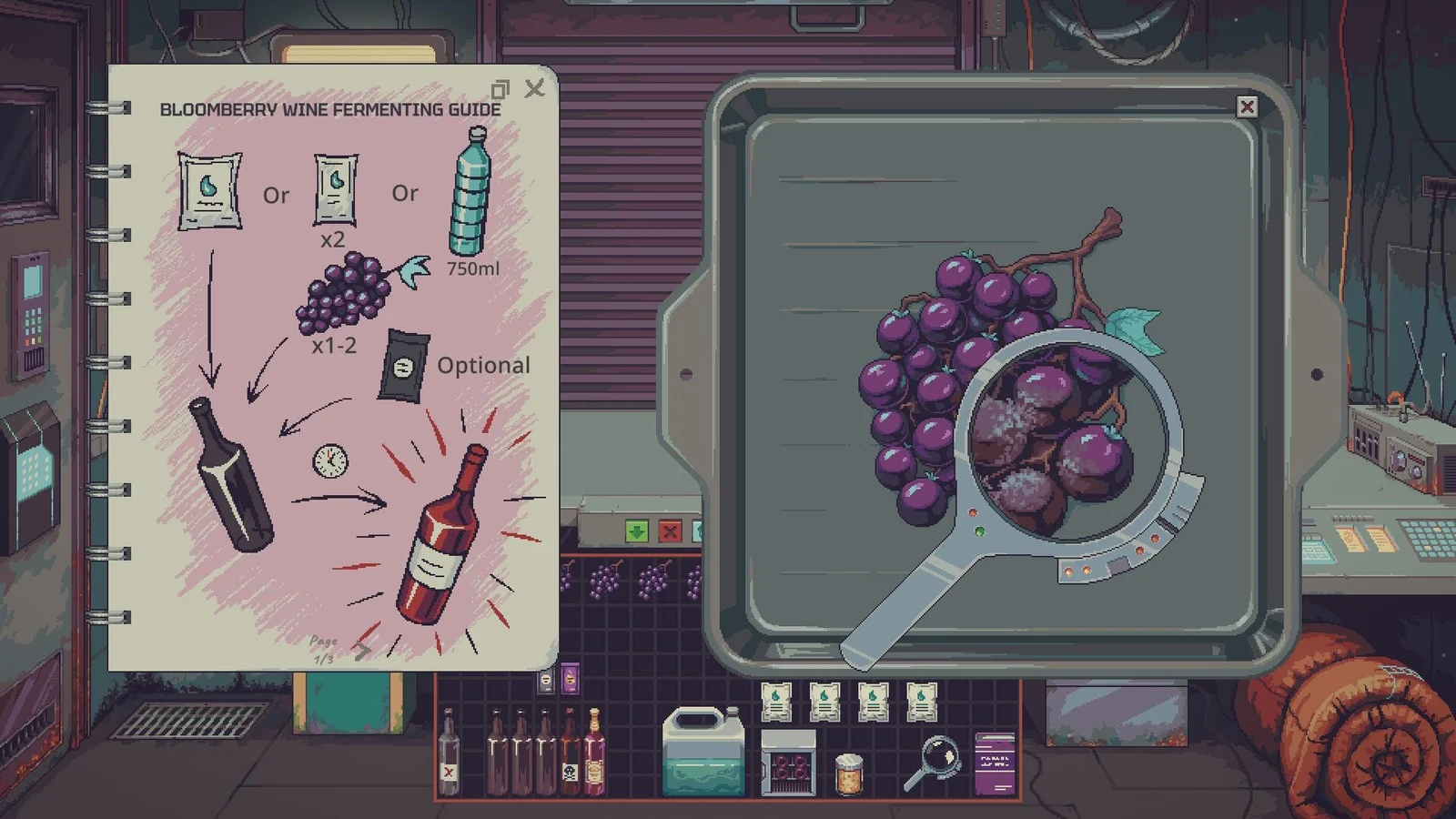
A Probably Stolen batch can be profitable and still finish too late for the next bill. Budget the waiting time as well as the ingredients.
05 / Rent & money guide
How to handle a tight Probably Stolen payment deadline
When the due date is approaching, shorten the path from stock to cash. Prioritize goods you already understand and can sell without a large new purchase. A long production chain is harder to rely on when you still need equipment, ingredients and a buyer.
Use a stricter buying rule for the rest of the cycle: only commit cash when you can explain the likely resale, remaining costs and timing. Avoid trying to rescue a shortfall with an unfamiliar expensive object. Probably Stolen still lets you refuse a deal when your available cash cannot carry it.
Read the bill and count cash
Use the current amount and due date. Work out the gap before making another purchase.
Review what can already sell
Check existing stock and finish affordable processing where you understand the result.
Pause optional spending
Keep expansion, extra stock and experiments out of the rent reserve.
Recalculate after actual sales
Only move money into the available budget once a customer has paid.
If a plan only works after several hoped-for sales, treat the rent payment as at risk until those sales happen.
06 / Rent & money guide
When should you expand in Probably Stolen?
Expand Probably Stolen around a business you already know how to run. Add one piece of equipment or one product line, then watch its costs and sales. That makes it easier to see whether the upgrade frees cash or keeps asking for more.
Include ongoing inputs when judging a machine. Production needs supplies and attention, and output still needs to become a sale. Keep enough room in your budget to operate the equipment after buying it.
Vending machines can sell after closing in Probably Stolen. Consider them once you have suitable stock and can cover the investment without using the next payment's money. Count the income when it arrives; an unattended selling opportunity does not guarantee every item will sell.
07 / Rent & money guide
Count the hidden costs of a Probably Stolen deal
Probably Stolen stolen goods and contraband need more than a purchase-and-sale calculation. Read an item's heat or restriction warnings before buying. A deeper discount does not remove the risk of lost stock, fines or an investigation. Leave room for a bad outcome rather than assuming every purchase reaches a paying customer.
Theft and protection also change what your business keeps. Read the overnight report when money or stock goes missing. If you pay for a security device or a contact's recurring service, include that spending in the budget before judging the day's profit. A service with a nightly fee needs a repeatable benefit to justify its running cost.
A Probably Stolen bounty, a story reward or one unusually generous buyer can help the wallet, but none is a dependable daily income. Build the next cycle around sales and fees you can repeat, then use occasional windfalls to rebuild your cushion or fund a planned upgrade.
08 / Rent & money guide
Work toward buying the Probably Stolen shop
Buying the shop is the long-term goal in Probably Stolen. Build toward it with repeatable trades, controlled production costs and enough cash to survive a weak day. A business that only pays rent after one lucky sale is still fragile.
After each rent cycle, review which goods actually earned money and which purchases stayed unused. Keep the lines that replenish cash reliably and slow down the ones that need constant funding. As rent increases, review the reserve before increasing your stock budget.
If Probably Stolen keeps overwhelming you, start a fresh Apprentice run on a gentler difficulty and practice one trade routine. Learning which offers to refuse can be more useful than adding another risky way to earn.
Before your next deal
Probably Stolen questions, answered.
How often do I pay rent in Probably Stolen?
Rent is a weekly payment and increases over time. Use the reminder and amount in your current run to plan the next payment.
Why am I short of rent when my Probably Stolen inventory is valuable?
Inventory value is not available cash. Goods must sell before they can cover the bill, and supplies or processing can add more costs along the way. Pause optional buying and focus on stock you can turn into cash.
Does this Probably Stolen calculator predict sales?
No. You enter an optional sales estimate yourself. The planner shows cash after spending separately from the forecast after those sales, so you can see when a purchase depends on income that has not arrived.
Is there one best Probably Stolen money-making route?
Choose a route you understand and can afford to operate. Compare total costs, selling time and inspection risk in your own run before committing more cash. A large advertised margin is not enough to protect the next rent payment.
Keep your business moving
Your next Probably Stolen move.
Updated · Space Games